Zero-Click Search: Why Google Isn't Sending You Traffic Anymore (And What Still Works)
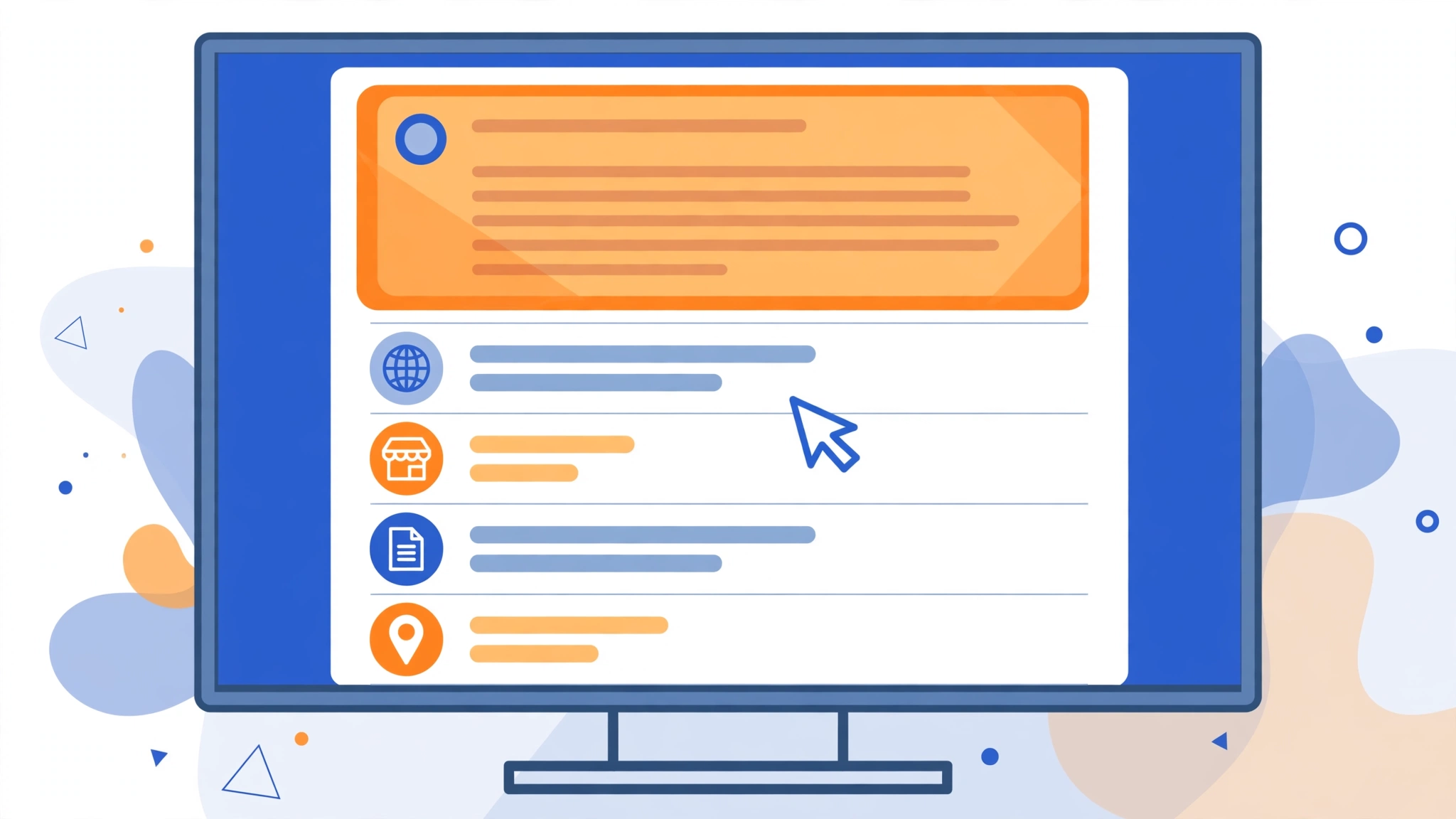
If your Search Console shows impressions climbing while clicks stay stubbornly flat, you are not doing something wrong. You are watching one of the biggest shifts in the history of search: zero-click search — searches that end right on Google's results page, without the searcher ever visiting a website.
This is not a glitch, and it is not going away. Here is what is happening, how much of your traffic it explains, and — more importantly — what still works for small websites in 2026.
What Is Zero-Click Search?
A zero-click search is any search that ends without a click to a website. The searcher got their answer directly on the results page, from features like:
- AI Overviews — AI-generated summaries at the top of the page that answer the question outright.
- Featured snippets — the boxed paragraph Google lifts from a page and displays in full.
- Knowledge panels and direct answers — weather, conversions, definitions, sports scores, business hours.
- Maps, shopping and video carousels — answers that keep the user inside Google's own ecosystem.
How big is it? A widely cited 2024 SparkToro study estimated that roughly 6 in 10 Google searches in the US ended without a click — and that was before AI Overviews rolled out widely. The direction since then has only been one way.
Why This Hits Small Websites Hardest
Big brands survive zero-click search on name recognition alone — people search for them by name and click through no matter what. Small and new websites depended on exactly the kind of informational searches ("how to", "what is", "best way to") that answer boxes now absorb.
The pattern looks like this in Search Console:
- Impressions grow — Google is showing your pages more often. Your SEO is working.
- Clicks don't follow — the answer was visible without clicking, so most searchers never arrive.
- Average position looks fine — you can rank #3 and still get a fraction of the clicks that position used to deliver.
Judging your SEO by clicks alone in 2026 is like judging a shop by footfall after the mall put a free sample stand outside. Visibility and visits have come apart — you have to measure and strategise for both.
What Still Works: 6 Strategies for the Zero-Click Era
- Be the source Google quotes. AI Overviews and snippets cite pages. Clear headings, direct answers in the first lines of a section, and honest expertise make your page the one being summarised. You may not get the click — but you get the brand impression, and cited sources do win clicks from readers who want depth.
- Target questions answer boxes can't finish. Simple facts are gone. Opinions, comparisons, personal experience, step-by-step processes and "which one should I choose" queries still need a real page. Depth is the moat.
- Build a name people search for. Branded searches are nearly zero-click-proof. Every video, post and share that makes someone remember your site's name converts future generic searches into direct visits.
- Show up where the answers live. YouTube results, forums and social posts appear inside search results constantly. A short video answering the same question your article targets puts you back on the page Google is keeping people on.
- Own a channel Google can't intercept. An email list is traffic no algorithm can summarise away. Even a simple newsletter signup — like the one in our footer — turns one-time search visitors into repeat readers. Our SEO checklist for new websites covers the technical foundations that make all of this possible.
- Earn links, not just rankings. Citations and backlinks now matter twice: they lift rankings and they are how AI systems decide which sources to trust and quote. Our beginner's guide to backlinks and guest posting shows how to earn them without spam.
Should You Stop Doing SEO?
No — but you should stop doing only 2019-style SEO. Ranking still matters: you cannot be cited, remembered or clicked if you are invisible. What changes is the goal. A page's job is no longer just "get the click"; it is get seen, get cited, get remembered — and make the visitors who do arrive count, with content good enough to turn them into subscribers and regulars.
Websites that adapt to this — clear expertise, real experience, a recognisable name, more than one traffic channel — are still growing in the zero-click era. Websites publishing thin answers to simple questions are competing with Google's own answer box, and that is a fight nobody wins.
Frequently Asked Questions (FAQs)
Is SEO dead because of zero-click search?
No. Search demand hasn't shrunk — billions of searches still happen daily, and a large share still produce clicks, especially for comparisons, products, local services and in-depth topics. What died is the assumption that ranking automatically equals traffic.
How do I know if zero-click search is affecting my site?
Compare impressions and clicks in Google Search Console over 6–12 months. If impressions are rising while clicks are flat or falling — and your average positions are stable — zero-click features are absorbing your clicks. Check which queries show your pages; informational "what/how" queries are affected most.
Can a small new website still grow with organic search?
Yes, but slower and differently than before: pick specific long-tail topics where depth beats a summary box, build a recognisable brand, add at least one channel you own (email or video), and measure success by subscribers and returning visitors — not raw clicks alone.