
The Subscription Economy: Why Smart Businesses Are Switching to Recurring Revenue
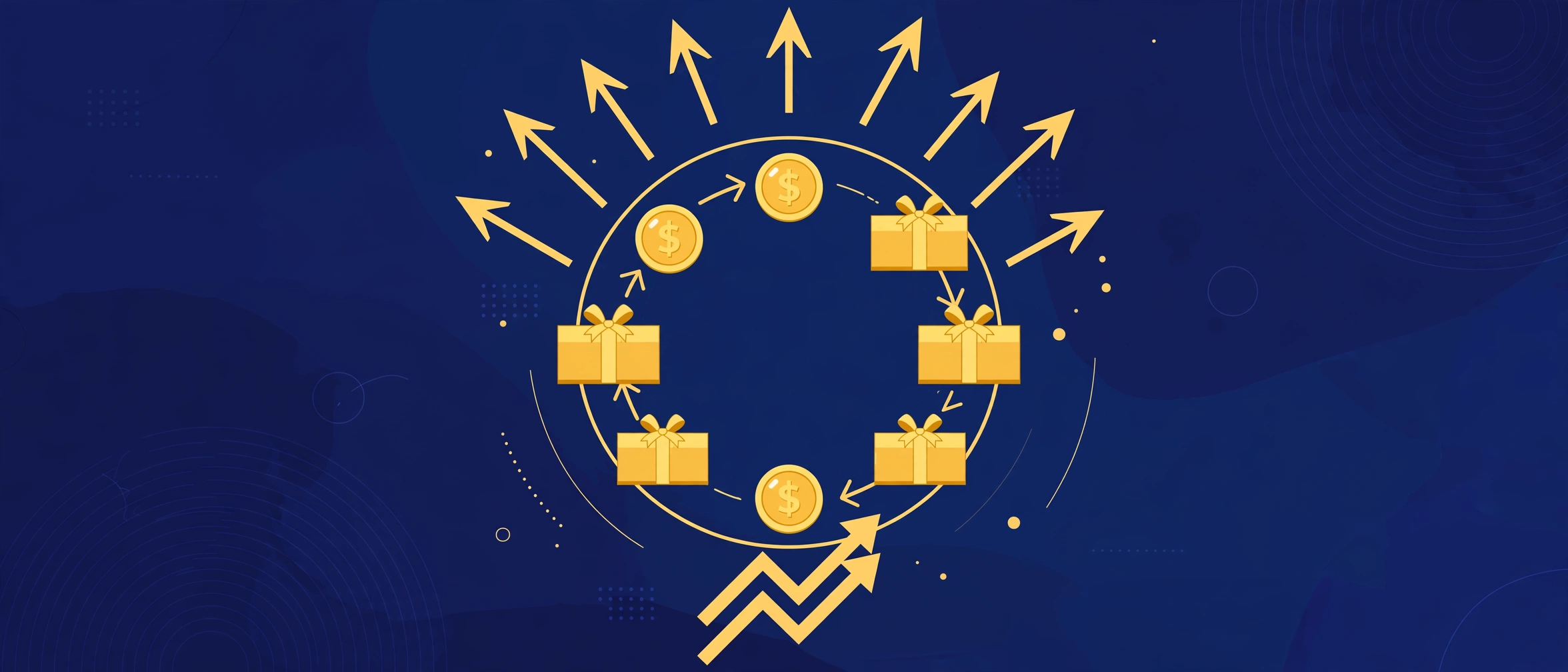
Selling something once feels great. Selling it every month feels better. From software to coffee to razor blades, businesses of every size are shifting from one-time transactions to recurring revenue — and customers are happily going along.
What Is the Subscription Economy?
It's simple: instead of charging once, you charge repeatedly — monthly, quarterly, or yearly — in exchange for ongoing value. Netflix did it for entertainment. Adobe did it for software. Now everyone from local gyms to pet-food brands is doing it.
The appeal for businesses is obvious: predictable revenue. You start each month knowing roughly what's coming in, which makes hiring, inventory, and planning dramatically easier.
Why Customers Actually Prefer Subscriptions
This isn't a trick played on buyers. Subscriptions win because they solve real problems:
- Convenience — essentials arrive automatically; no reordering, no running out.
- Lower upfront cost — $15/month beats $300 all at once.
- Always current — subscribers get updates, new features, and fresh content without buying again.
- Flexibility — pausing or cancelling is usually one click, which paradoxically makes people more willing to sign up.
5 Subscription Models Small Businesses Can Copy
1. The Membership
Gyms, coworking spaces, and online communities. Charge for access. Works when the value is ongoing use of a space, network, or resource.
2. The Replenishment Box
Coffee, pet food, cleaning supplies — anything consumable. Customers set it once; you ship on schedule. Churn is low because the need never disappears.
3. The Curated Box
Beauty products, snacks, books. The surprise element creates excitement and social sharing. Margins are healthy because curation itself is the product.
4. Software as a Service (SaaS)
Even non-tech businesses can productize expertise: a scheduling tool for salons, a menu-management app for restaurants. Build once, sell forever.
5. The Maintenance Plan
HVAC companies, IT consultants, landscapers. Turn one-off jobs into annual care plans. Customers get priority service; you get stable income through slow seasons.
The Math That Changes Everything
Consider a business selling a $200 product to 100 customers a year: $20,000 in revenue, and on January 1st, you're back to zero.
Now imagine converting just 30 of those customers to a $25/month plan: that's $9,000 in guaranteed annual revenue before you sell a single new thing — plus you still sell the product to everyone else. Recurring revenue compounds; one-time sales reset.
The Honest Challenges
Subscriptions aren't magic. Three things to get right:
- Onboarding — the first 30 days decide everything. Make the value obvious immediately.
- Ongoing value — you must keep earning the payment. Stale subscriptions get cancelled.
- Churn math — losing 5% of subscribers monthly means losing nearly half yearly. Track it obsessively.
How to Start Small
You don't need custom software. Test with what exists:
- Use Stripe or PayPal recurring billing for digital memberships.
- Use Shopify subscription apps for physical products.
- Start with one offering and 10–20 pilot customers. Learn, then scale.